Wednesday, 10 June 2015

2016 Ferrari 488 GTB first drive

Ferrari turbocharges its way to the future

What is it?
It’s a new Ferrari, and that might be all some people need to know. Only this is a big one, for the brand and for car geeks far and wide. The 2016 488 GTB debuts early in Ferrari’s Brave New Turbo era, with very big shoes to fill.
It replaces the frequently acclaimed, much loved 458 Italia, which has been anointed by sundry critics as the best sports car in the world. It follows old-school Ferrari nomenclature -- 488 for the displacement of each cylinder (487.75cc) and GTB for Gran Turismo Berlinetta, which was first used on Ferrari’s first mid-engine V8 (the 308 GTB) when it debuted at the Geneva motor show 40 years ago -- rather than the more recent convention of total displacement combined with some revered locale like Modena, Maranello or Italia.
We’ve known it was coming since Geneva this year: the demise of the 458 Italia’s naturally aspirated V8, often dubbed the best anywhere, and the 9,000-rpm howl that follows it everywhere. There’s plenty of good news, nonetheless. The 488 GTB is a tad lighter than the 458, with a lot more horsepower and much more torque. It surpasses the 458 by any performance measure, and it’s loaded with enough new technology to fill a gearhead book. That tech puts the 488 GTB’s extreme charms within reach of all who can afford it (and then worm their way into an appropriate spot on the dealer’s waiting list).
2016 Ferrari 488 GTB engine, I2
The 2016 Ferrari 488 GTB's 3.9-liter twin-turbocharged engine
By now you know about the new turbo era, too, and the broader, seemingly inevitable creep toward turbocharged engines. It began at Ferrari last September with the California T -- its latest retractable-roof, front-engine GT -- and a 3.9-liter twin-turbo V8.
Ferrari has never been terribly fond of turbos, building fewer than a handful through its 66-year history. Before the California T, its previous turbo engines had appeared in the 288 GTO in 1984 and the F40 in 1987, when the high-performance renaissance was underway and turbos were the best way to make the power required of supercars.
The rationale behind Ferrari’s new turbo V8s is only slightly different, rooted in an increasing green consciousness among elite buyers and government mandates to reduce CO2 emissions. Forced induction remains the best -- maybe the only -- way to reduce displacement and continue the horsepower increases expected from a brand like Ferrari. While the engineers in Maranello frankly admit they’d probably prefer to pass on turbochargers, they also say the challenge has presented big opportunity.
The 488’s 3.9-liter V8 shares its upper cylinder block architecture with other members of Ferrari’s new F154 engine family, presently installed in the California T and the Maserati Quattroporte GTS. It’s cast at the same Maranello foundry as Ferrari’s Formula One engines, and, like the others, it employs a flat-plane crank. There the similarities essentially end.
2016 Ferrari 488 GTB interior wide shot, I3
Inside the Ferrari 488 GTB
The 488’s lower crankcase is reworked for dry-sump lubrication, with a variable-displacement primary pump and five scavenger pumps. The oiling system reduces internal drag 30 percent compared to the 458’s naturally aspirated 4.5-liter V8, according to Ferrari, and there are other friction reductions throughout the 488 engine.
Compared to the California T turbo, the 488’s gets different heads with thinner castings and more expansive cooling passages, different valve springs, different pistons, a different intake manifold with equal-length runners and different exhaust manifolds. It operates at generally higher temperatures than either the California T turbo or the 458 V8. The fuel gets hotter and cylinder pressures are higher, so pressure in the direct-injection system increases to 2,900 psi.
Then there are the two, twin-scroll IHI turbos -- as high-tech as we've seen. The compressors are larger than those in the California T, and fabricated from a low-density titanium-aluminum alloy that reduces inertia and maximizes spool-up speed. The shafts spin sheathed in ball bearings, rather than fixed bushings like just about every other automotive turbocharger on earth. The 488 turbos also use something that Ferrari calls “abradable seals,” which look something like reeds that press around the shafts. These self adjust as they wear and maintain a tighter seal over the life of the engine. Boost pressure peaks at 35 psi, compared to 19 psi in the California T.

2016 Ferrari 488 GTB rear 3/4 on track, I4
A rear 3/4 shot of the 2016 Ferrari 488 GTB on track
The result borders on startling. The 488’s 3.9-liter generates 660 hp at 8,000 rpm, and 560 lb-ft of torque at 3,000 rpm. That’s 107 more horsepower than the California T’s V8. More to the point, it’s 18 percent or 98 hp more than the larger 458 V8, with a mammoth 40 percent increase in torque (162 lb-ft). With 179 hp and 144 lb-ft per liter of displacement, the 488 GTB delivers the highest specific output of any road-going Ferrari to date.
Then come the efficiency gains. EPA mileage ratings are pending, but in the combined EU cycle, the 488 GTB’s fuel consumption (11.4 liters/100 km) drops 14 percent compared to the 458 Italia. CO2 emissions drop 6 percent on average, with considerably more power on tap, and 15 percent in steady-throttle operation.
Those numbers represent the big payoff for Ferrari, more than the turbo V8’s power gains. Yet the challenges of the turbo remain. When you put your foot in it, it has to go, sound and feel like a Ferrari, and that means joy at crazy-high revs without a significant drop in thrust.
Corrado Iotti, chief engineer for the F154 engine family, notes that the 488’s horsepower peak is still 8,000 rpm -- 1,000 lower than the 458’s, but far higher than most production V8’s are capable of revving. Yet to hedge its bets, Iotti’s team also applied Ferrari’s version of variable torque management in the 488 GTB. Its ECU adjusts boost and fuel flow to give the engine a different torque map and peak in each of the seven forward gears. The maximum torque available goes progressively higher with the gear, and the 560 lb-ft peak comes only in seventh. The point is to generate progressively stronger acceleration with speed, and to replicate the longitudinal acceleration curve of a normally aspirated engine.
2016 Ferrari 488 GTB front on track, I5
2016 Ferrari 488 GTB on track
Iotti also notes that, when the driver presses the throttle pedal, it takes just 0.06 second longer for torque from the 488’s turbo engine to reach its rear wheels than it does with the 458’s naturally aspirated V8. Six hundredths. And there’s a lot more torque.
Yet beyond throttle response or acceleration curves, there’s the sound. Ferrari spent four years addressing the sound. Turbos work something like a silencer on a handgun, or an extra muffler, but Iotti said no one ever considered fake, electronically generated cockpit noise. The first key is not wasting the noise the turbo engine generates. Among other things, the 488s headers have longer-than-typical, equal length tubing, to maximize harmonics before the flow gets to the turbos and promote the higher pitch of a screaming, naturally aspirated Ferrari V8.
Beyond the engine, Ferrari’s F1 dual-clutch automatic benefits from further development. Upshifts come 30 percent quicker, and downshifts 40 percent, which means the 488 can drop four gears in the time it takes the 458 to drop three. The E-Diff torque-shifting differential has a faster processor and new control algorithms, reducing response time and improving lateral acceleration in the process.
Ferraris says 85 percent of the 488’s parts are new, compared to the 458 Italia. The carryover includes the roof and floor panels, though the engineers say they’ve squeezed a bit more volume into the 488’s cockpit. The aluminum space frame changes mostly at the front and rear -- to accommodate the new engine and the extra airflow it demands.
The 488’s 104.3-inch wheelbase is identical to the 458’s. Its length and tracks increase slightly, yet its frame and shell are 65 pounds lighter. Even with 35 extra pounds for its turbo engine and intercoolers, the 488’s minimum curb weight drops 25 pounds. It bears slightly more weight on its rear wheels than the 458 (59 percent vs. 58 percent), thanks to the heavier engine.
2016 Ferrari 488 GTB profile from above, I6
The 2016 Ferrari 488 GTB in profile
Suspension improvements center on Ferrari’s new-gen SSM-E magnetorheological shocks and something it calls SSC2 (for side-slip control). First applied in the LaFerrari supercar, SSC measures the car’s slip angle on the fly, compares it to the driver’s data base of driving habits and demands, and then adjusts for either more allowable slip or more stability. It originally reacted using the variable-torque E-Diff and traction control. In the 488, SSC adds the adaptive shocks to its management tools, adjusting damping rates at individual corners to minimize body roll and maximize stability.
Bottom line, the 488’s maximum roll angle decreases 12 percent compared to the 458, without stiffer springs, and peak lateral acceleration increases 6 percent on street-oriented Michelin Pilot Super Sports (20-inch 245/35 front and 305/30 rear). Its standard carbon-ceramic brakes are larger than the 458’s, but six pounds lighter. Stopping distances decrease 9 percent, according to Ferrari.
Ferrari’s recent preoccupation with aerodynamics continues in the 488, focused on the challenging task of generating legitimate downforce (as opposed to reducing lift) while also reducing drag—all while feeding the 488’s greater cooling demands. The specifics, including vortex generating channels in the underbody sheathing, could fill an engineering students master’s thesis. Highlights in front include an F1-inspired double splitter, separated by something Ferrari calls an Aero Pillar in the center. The pillar is designed to manage the mass of air striking the front of the car and distribute it effectively along both longitudinal and transverse planes.
In back, the 488 gets a Ferrari-patented “blow spoiler.” Its lip is lower than typical, and barely noticeable in profile, but its surface is more steeply curved. An open channel in the middle bleeds a swath of air through the center of the spoiler and down over rear bumper to break up the vortices that trail the car. The blow spoiler generates downforce in back without the extra drag of a taller spoiler. A larger rear diffuser speeds airflow from under the car. Its chip-controlled active veins adjust to either maximize downforce or reduce drag. As a result, the 488’s dual exhaust tips are positioned wider and higher in the bumper than the signature tri-tips on the 458 Italia.
2016 Ferrari 488 GTB rear from above, I7
View of the 2016 Ferrari 488 GTB rear from above
Ferrari says its wind-tunnel handiwork generates average downforce of 715 pounds at 155 mph -- up 50 percent from the 458. The coefficient of drag, meanwhile, drops from 0.330 to 0.324.
The 488 GTB is the second Ferrari styled by Centro Stile Ferrari, after LaFerrari. Both engineers and designers say that in-house design gets more critical as engineering and aero get more complicated, allowing closer, more constant collaboration that’s harder to manage with a traditional styling house. The challenge, they say, is resolving conflict between engineering demands and aesthetics.
The 488 looks a bit chubbier than the 458 through its midsection and around its new engine. The most obvious difference is big, scalloped air channels -- homage to the 308 GTB -- along its doors to the intakes on its hips. Those intakes are partitioned across the middle, with the top section directed to the turbocharger intake and the bottom feeding the intercoolers.
The 488 is just clean and generally unadorned. As it’s been through much of Ferrari’s history, and particularly of late, the aggression is organic in the shape, rather than a collection of racy details. There are standout details, nonetheless, including door releases that are also little winglets directing air toward the side intakes. The third brake light is a matrix of 12 individual LEDs in the middle of the rear diffuser, like the rain light on an open-wheel race car.
Inside, the 488 has the same floating dash as just about every mid-engine Ferrari V8 since the 308, with no stack or connection to the center console. There’s the familiar switch bridge on the console and Ferrari’s multi-function Manettino steering wheel, now with a keyless start button and longer carbon-fiber shift paddles. Updates include a faster infotainment processor and new graphics from the California T, an optional performance display for passengers hidden in the carbon-fiber trim strip above the glove box, and standard 1,280-watt JBL audio with 16 channels.
2016 Ferrari 488 GTB engine through glass, I8
The 2016 Ferrari 488 GTB's midengine
The 2016 488 GTB hits North American dealerships in September for $242,737, including destination. That’s a hair less than a 2015 458 Italia. Ferrari’s feature color is Rosso Corsa Metallizzato (traditional Ferrari red, with metallic that glints orange), but the 488 will be available in 16 standard paint and leather colors, with six wheel designs. There’s a range of carbon-fiber options inside and out, including the front spoiler, rear diffuser, intercooler intake splitter, door panels and console bridge. All buyers get seven years of standard maintenance.
The world changes. For Ferrari it’s gotten more complicated, far beyond the legislative pressure behind the turbocharged engines. Enzo’s creation is about to become a publically traded company, as Fiat Chrysler Automotive milks what it can from its most successful brand with a pending IPO.
Meanwhile, under stewardship of the Volkswagen Audi Group, Lamborghini has grown much more competitive, and there’s another potential threat that did not exist when the 458 Italia was launched. Ferrari engineers confidently insist that the 488 GTB surpasses McLaren’s 650S in every measurable parameter. While that may or may not be true, the folks in Maranello would never have acknowledged McLaren as a potential production-car competitor five years ago.
Where it goes, no one knows. What we can tell you about the 488 after a teasingly short blast around Ferrari’s Fiorano test track, then an afternoon in the hills and valleys around Maranello, is important enough. There’s no reason to fear the turbo.
2016 Ferrari 488 GTB Manettino wheel, I9
2016 Ferrari 488 GTB Manettino wheel
How’s it drive?
The 488 GTB lives up to just about everything you’d want or expect, but the analysis comes down to a central question: Can a turbocharged engine deliver on expectations formed by the greatest of naturally aspirated V8s?
Yes, ultimately, with a plus or minus here and there.
2016 Ferrari 488 GTB IP, I10
2016 Ferrari 488 GTB instrument panel
As hard as Ferrari tried, the 488 does not sound like a 458 Italia. The new berlinetta’s primary emotion inducers are lower frequency. Its engine noise is less metallic, less shreekeeekeee -- closer to a bellow than a 458 is to a Banshee wail. That shouldn’t imply that the 488 sounds bad. It sounds fabulous.
The payback is substantial, of course, and it starts with the very obvious increase in torque. There’s nothing in the 488 that we’d call turbo lag. Indeed, its reaction to the gas pedal feels even more right-now than the 458. The new stallion kicks when you floor it, and you won’t long be missing whatever aural gratification it gives up to that shrieking sexpot of a 458.
How does one convey the sensation? It might not be worth the trouble, because the acceleration numbers probably say as much as type can. But when you get its wheels straight at an exit, or when you’re faced with a flat, empty stretch ahead, the 488 GTB delivers a rush once reserved for Indy cars or a Yamaha V-Max. It loads your head like a pop of amyl nitrite, slams the saliva toward the back of your throat and twists your gut for a second or two. It’s more intense down low, compared to a 458, but the crazy thing is that the 488 doesn’t run out. Thanks to appropriate ratio selection and Ferrari’s torque management strategy, it just goes and goes if you can find the room to keep it flat. The 488 requires six seconds to go from standstill in first to the rev limiter in fourth. It goes from 0-124 mph in 8.3 seconds, according to Ferrari, and covers the first full kilometer in 18.7.
2016 Ferrari 488 GTB console bridge, I11
Its throttle can be sensitive, and if there’s a drawback to all the torque and its near-immediate delivery, it may be that the 488 is harder to manage through any sustained sort of throttle steer than the 458. That matters only when the Manettino is dialed to CT Off, of course, and it may add a more brutish element to the 488’s repertoire. But it can be managed.
Watch development driver Raffaele De Simone as he guides you around Fiorano with the 488 locked in a tire-wasting, third-gear, 100-mph drift, casually explaining that Enzo’s personal track is very technical and demands a very conservative approach. A “polite style,” De Simone calls it, apparently oblivious to the implication of his slide. It won’t do much for a mere mortal’s ego, and it could dampen enthusiasm for the opportunity that awaits.
Just don’t pass it up, because the proper line will invariably be marked by lain-down rubber, and by the first full run down the pit straight, the 488 will have restored your confidence. Its steering is awesome -- much better than the front-engine Ferraris, and maybe a bit firmer than the 458s, but no less sensitive. It brakes into bends and throttles out with near perfect balance front to rear, and its neutrality is upset only by the driver’s technique. Regardless of technique, it’s a blast.
At De Simone’s hand, the 488 is faster than the 458 Italia around Fiorano by two seconds, and equal to the late-cycle, track-oriented 458 Especiale, with street tires. The difference is Ferrari’s SSC2 and the electronic bits and algorithms that manage the 488’s power delivery and suspension. And it’s exactly those things that make the 488 GTB a fantastic car for anyone who enjoys driving. Ferrari engineers call it maximum accessibility. We might call it crafted speed, but all you really need is a lick of sense and a desire to try it.

2016 Ferrari 488 GTB interior from side, I12
2016 Ferrari 488 GTB interior
This Ferrari offers an extreme performance envelope, and talented, well-practiced drivers can shut off the gizmos and explore the edges. Yet it’s also good for novices, even at a technical track like Fiorano. Properly configured, it instills a high level of confidence and leaves a good margin for error, and it allows that margin to be decreased as skills improve. It makes old, slow guys feel young and aggressive again, and to Ferrari’s viewpoint, that might be its most valuable trait of all.
Maybe best of all, the charm doesn’t fade on public highways. The adaptive shocks allow a fairly supple ride for a car of this type, but the 488’s athleticism remains. There’s no crashing suspension in front, no lateral jerks in back, no groove tracking. And there’s another turbo payback, probably to the good. The 488 seems the quieter road car, compared to the 458. Its generally lower pitch seems less inclined to penetrate the cabin at more moderate engine speeds.
The turbo engine provides less flywheel effect than the 458’s larger V8. Press the gas hard and it rockets; lift, the boost drains and it dives. That can be good when it comes to saving the brakes, but bad when there are fairly frequent, substantial pulses in traffic. The trick for smooth travel on the road is moderate application of throttle, and staying out of the high-boost zone.
The 488’s cockpit seems a bit less edgy than the 458’s, maybe less avant-garde. Or maybe we’ve just gotten used to it. Its console switch bridge is definitely less bizarre. The thin-shell seats look light, minimalist, but they’re also appropriately padded -- supportive and nearly slide-proof, yes, but quite comfortable. Getting in and out is hardly a chore, though tall folk may have a problem with the low roof.
2016 Ferrari 488 GTB controls, I13
2016 Ferrari 488 GTB controls
The displays screens are easier to follow, with better graphics and a more direct interface, and the Manettino wheel is fantastic. The value of the rev-counting LEDs along the top of its rim should not be minimized. It’s obvious in fairly short order that you don’t need stalks -- that life is better with turn signals and wipers under the thumbs. There are several places to keep things in the 488 GTB without them being displaced the first time you hit the gas, and the view from the driver’s seat is never a serious impediment. Ahead, it’s wide open. The tough spots are over the driver’s shoulders on each side and immediately behind the bumper. Yet the first is well addressed by the side mirrors, and the second by reverse park sensing. It all seems a bit crazy in the traditional Italian Exotic scheme.
Is the 488 GTB better than a 458 Italia? It’s faster, and no less desirable. It’s full of extremes, and six seconds quicker around Fiorano than Ferrari’s last mid-engine turbo -- the beastly F40. But the 488 doesn’t punish in any fashion, and it doesn’t hide its thrills in a dungeon few can breach. It’s a great car for learning track days, a wonder of technology, a piece of fine art and almost exactly what Ferrari promises. The Ferrari quirks it keeps are predominately good.
You decide if it’s better.
2016 Ferrari 488 GTB on track, I14

Johnson Controls Eyes Sale of Automotive Business

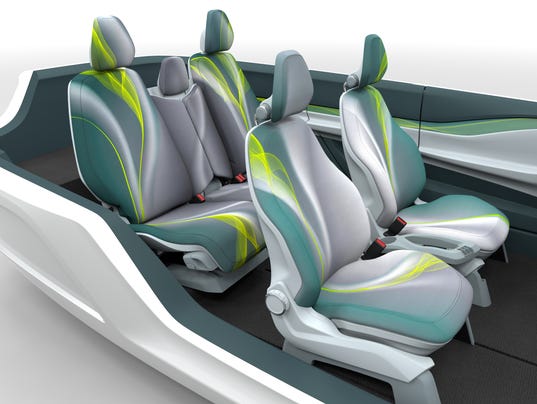
Johnson Controls will explore a possible sale of its automotive business, a potentially significant shift in the industry's supply chain.


The supplier, which revealed the decision this morning, said it does not have a specific time frame for its "strategic review." The company said the outcome could involve a range of options, which it did not detail, for its seating business.
Johnson Controls also said it would evaluate growth options as an alternative.

"Today's announcement continues our strategy of proactive portfolio management to drive focus on strategic product-oriented businesses where we can be a global market leader, drive more profitable growth and deliver maximum long-term value for our customers and shareholders," CEO Alex Molinaroli said in a statement.

Theodore O'Neill, senior analyst at Ascendiant Capital Markets, said he's confident Johnson Controls will find a suitor for its automotive business. The seating business had $17.5 billion in annual revenue, according to a company presentation on the possible sale.

O'Neill estimated the business could sell for $20 billion to $40 billion, which would make it one of the largest deals of the year.

He said possible buyers could include auto supplier Lear Corp. or Chinese manufacturers.

"It's definitely going to happen. There's no question it's going to happen," O'Neill said in an interview. "The market's totally ripe for this because the car industry is doing OK."

Citi analyst Itay Michaeli said in a research note that the outcome of the sale process is "highly uncertain," but the decision is a welcome one.
JCI stock jumped 5% on the news in early trading Wednesday.

The company's announcement comes as the U.S. auto industry is flourishing, with widespread expectations that industry sales will top 17 million vehicles for the year.

Johnson Controls, often referred to as JCI, hired Goldman Sachs, Centerview Partners and Wachtell, Lipton, Rosen and Katz as advisers on the review.

Source: usatoday

Thursday, 4 June 2015

Top 20 best-selling vehicles in May

Checkout here, where your Make was positioned

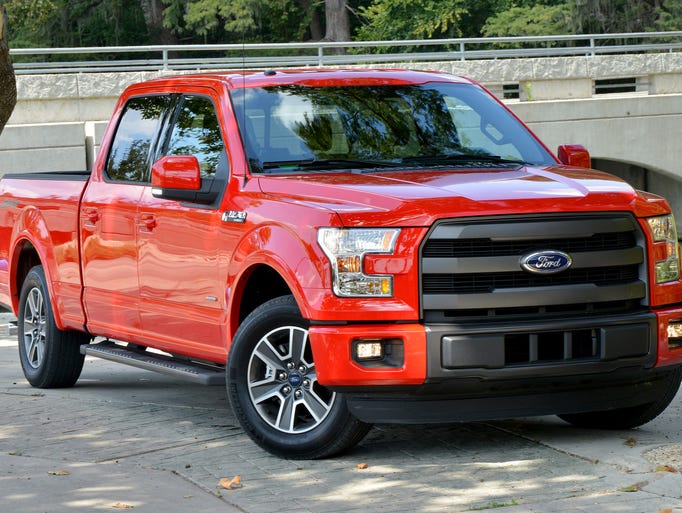
1) In first place, all hail the perrenial winner, Ford F-Series Parts

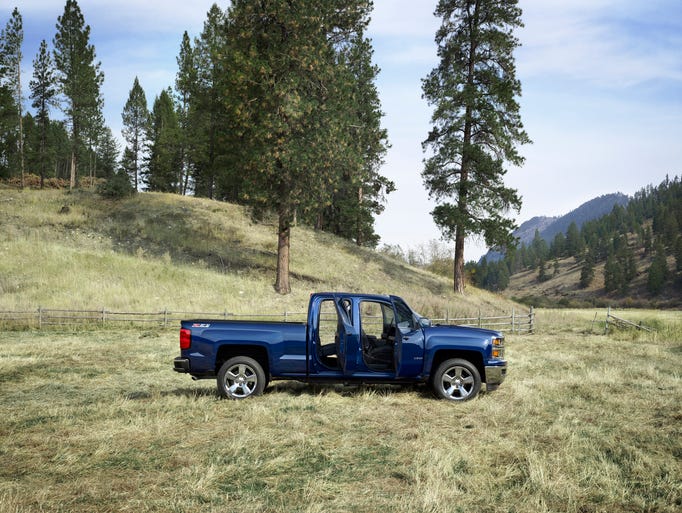
2) In second place, as always, is Chevrolet SilveradoParts


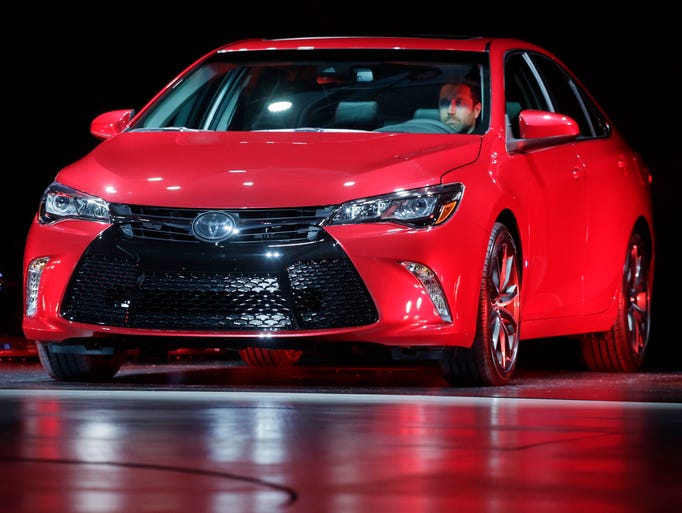
3) In third place, up from fourth is Toyota Camry Parts


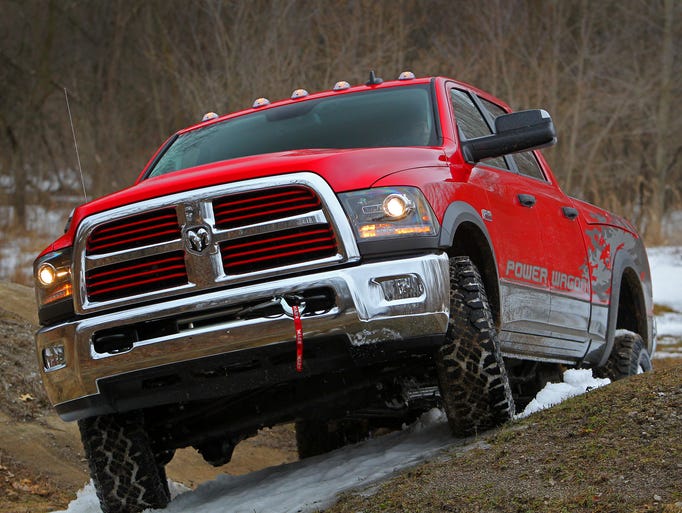
4) In fourth place, down from third, is Ram 1500 Parts

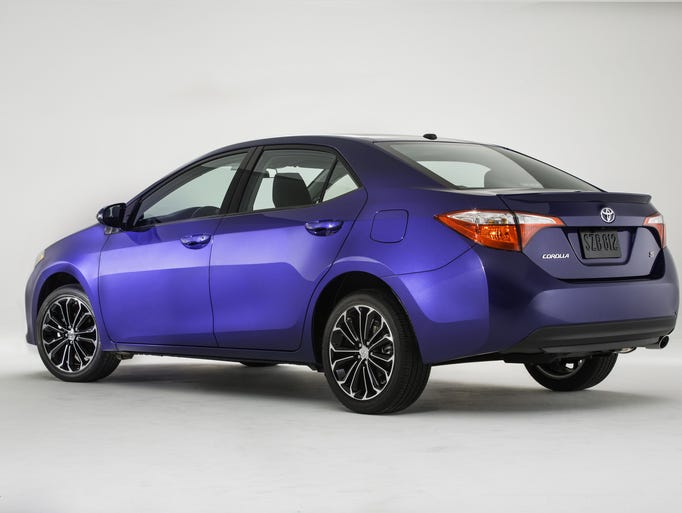
5) In fifth place, unchanged, is Toyota Corolla Parts
 
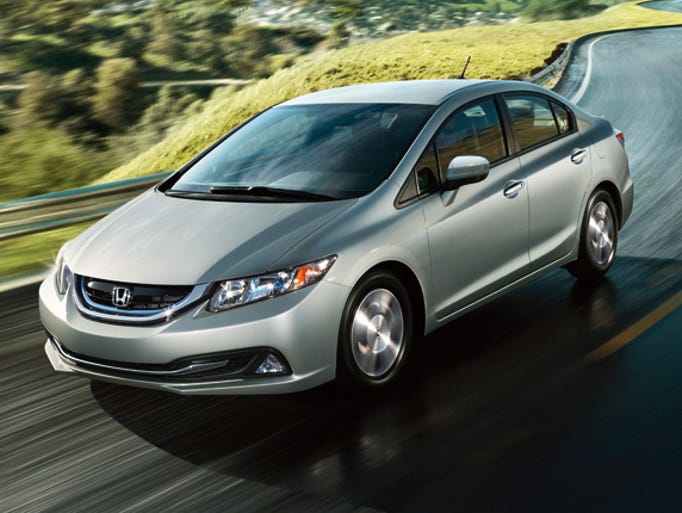
6) In sixth place, Honda Civic Parts is up from eighth
 
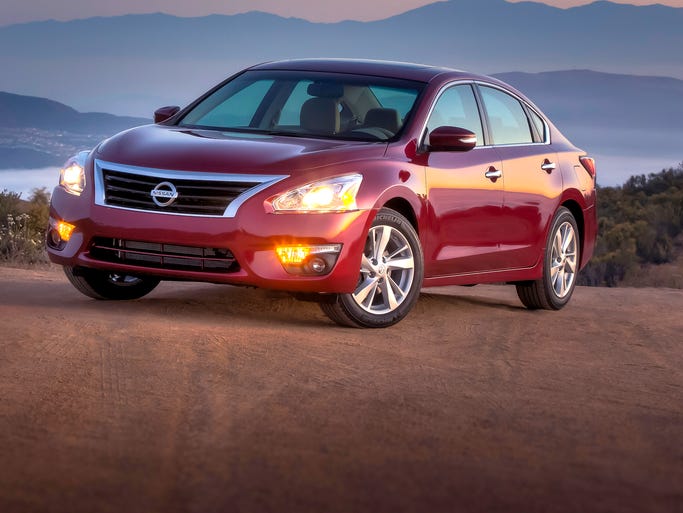
7) In seventh place, up from 13th, is Nissan Altima Parts


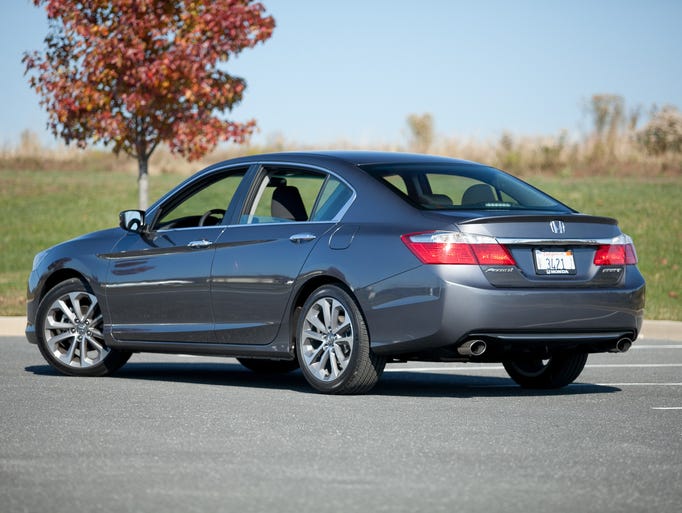
8) In eighth place, Honda Accord Parts is up from ninth
 
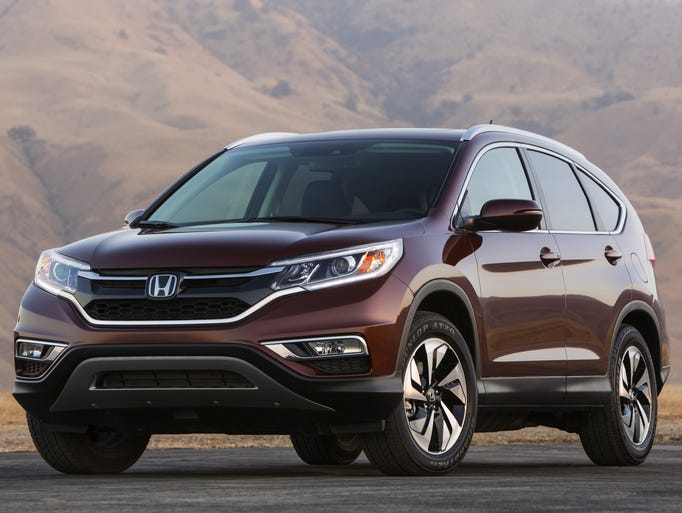
9)In ninth place, Honda CR-V Parts moves down from sixth

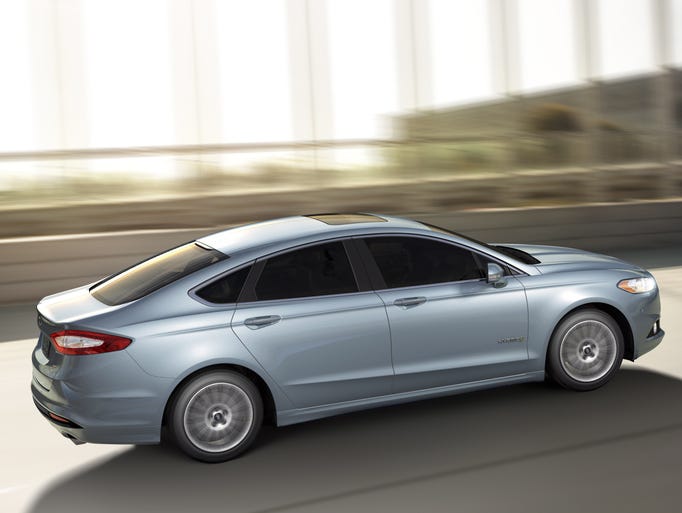
10) In 10th place, Ford Fusion Parts is up from 11th place last month
 
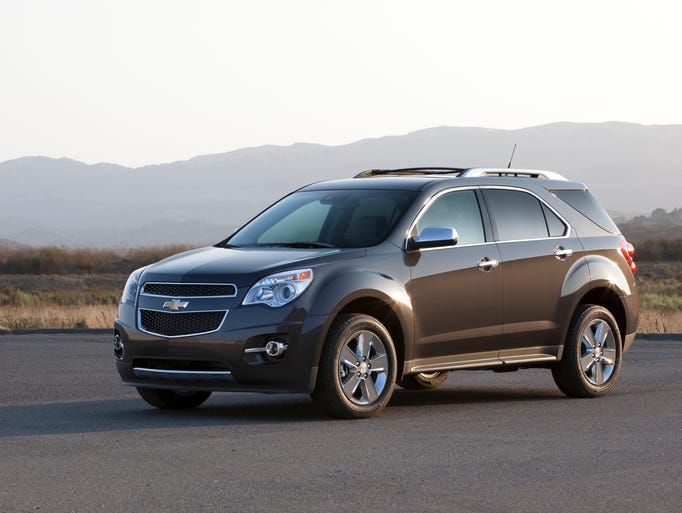
11) In 11th place is Chevrolet Equinox Parts, down from seventh

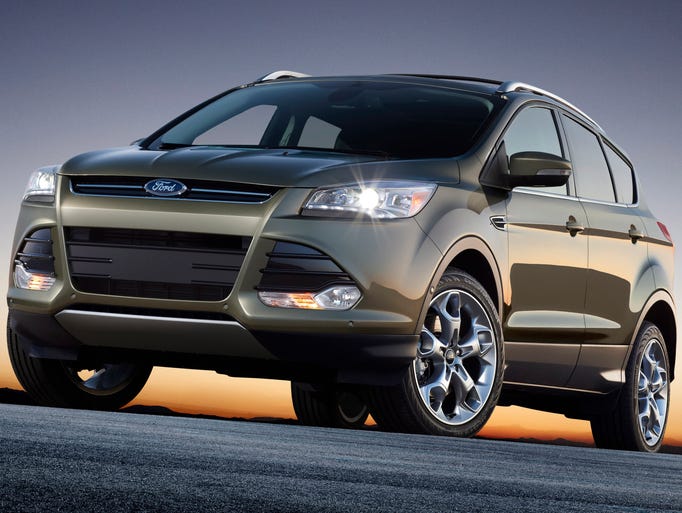
12) In 12th place, down from 10th, is Ford Escape Parts


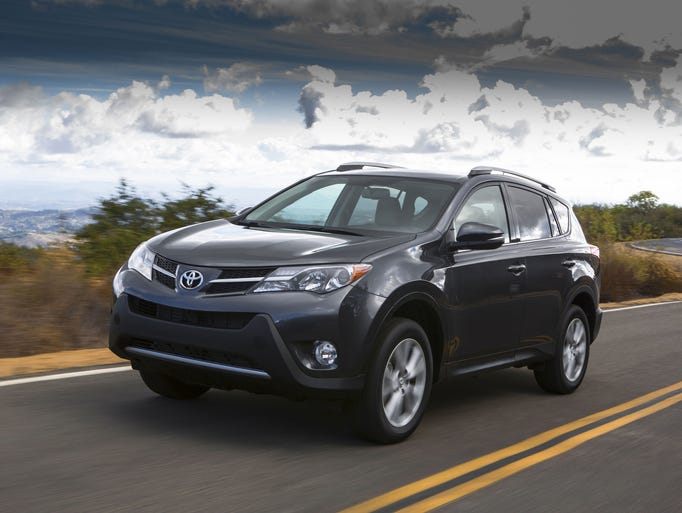
13) In 13th place, down from 12th, is Toyota RAV4 Parts


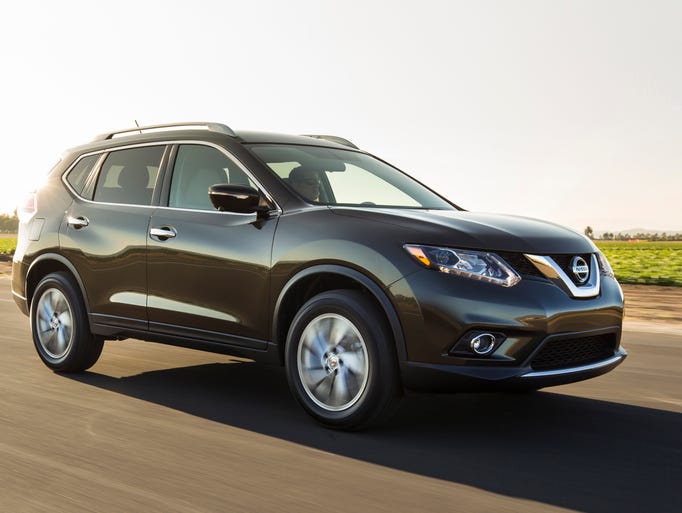
14) In 14th place, up from 15th is Nissan Rogue Parts
 
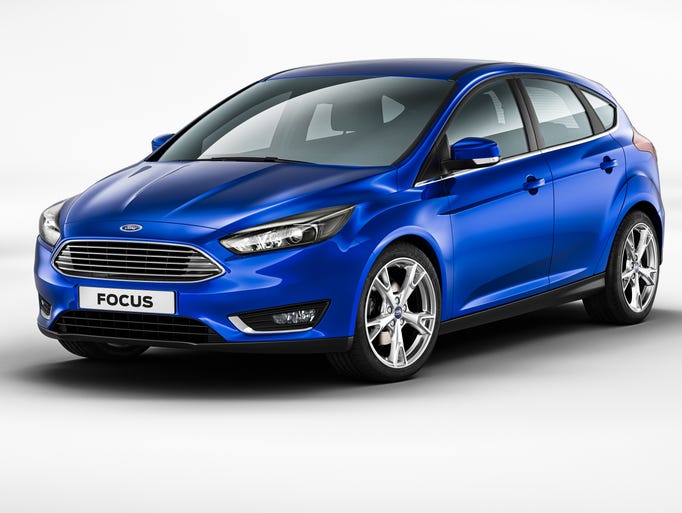
15) In 15th place and new to the list this month, Ford Focus Parts


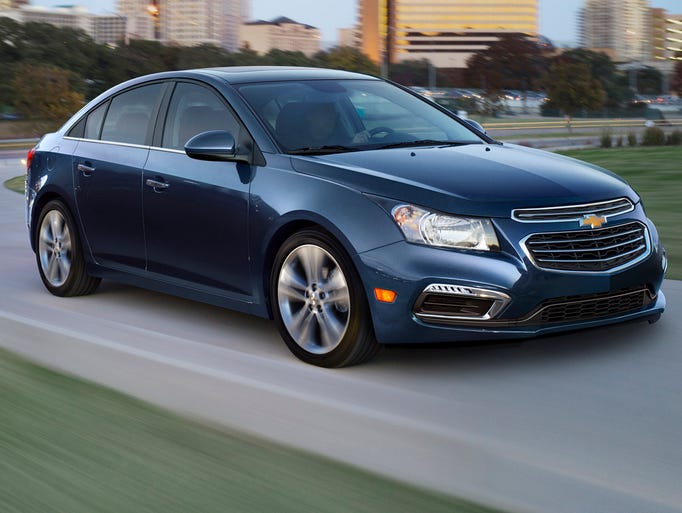
16) In 16th place, unchanged from last month, is Chevrolet Cruze Parts
 
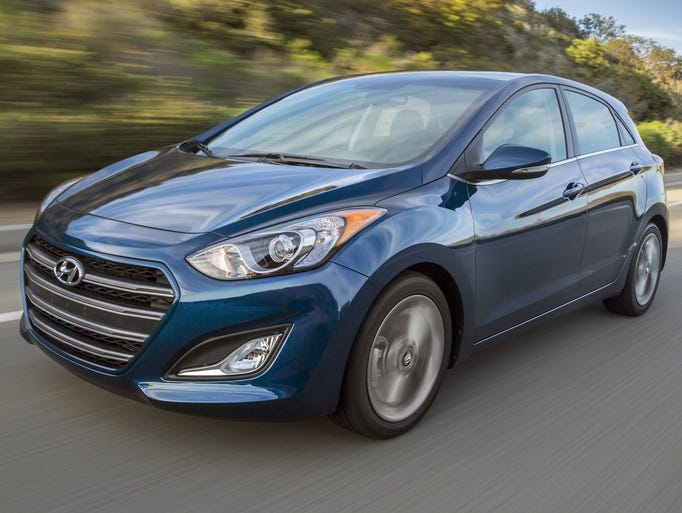
17) In 17th place, down from 14th, is Hyundai Elantra Parts


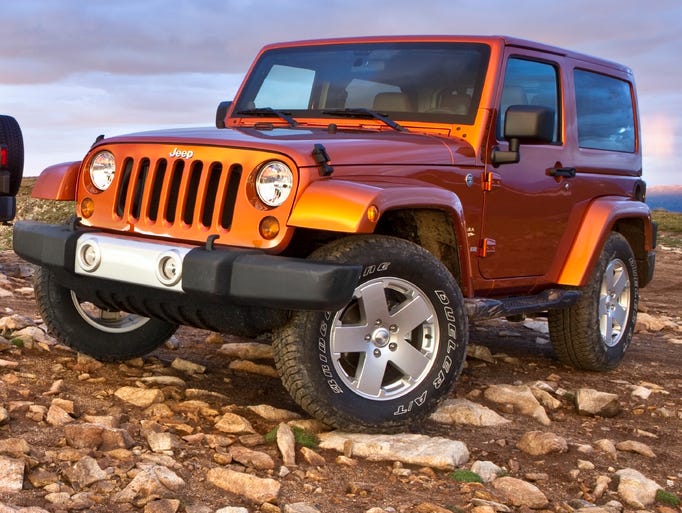
18)In 18th place, up from 19th in April, is Jeep Wrangler Parts

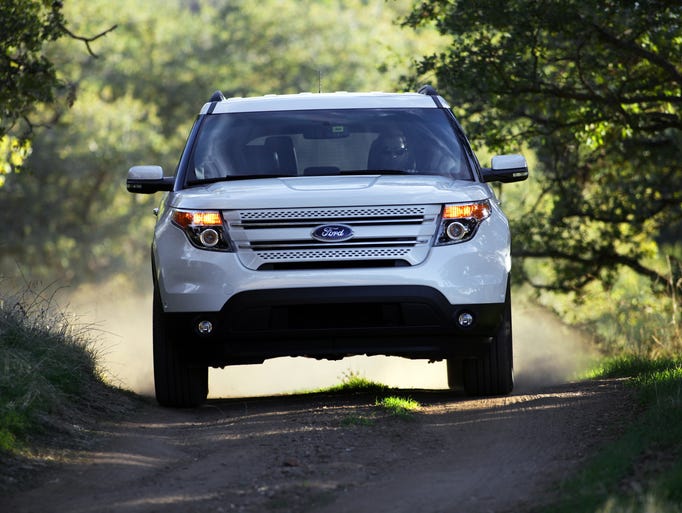
19)  In 19th place, up from 20th, is Ford Explorer Parts

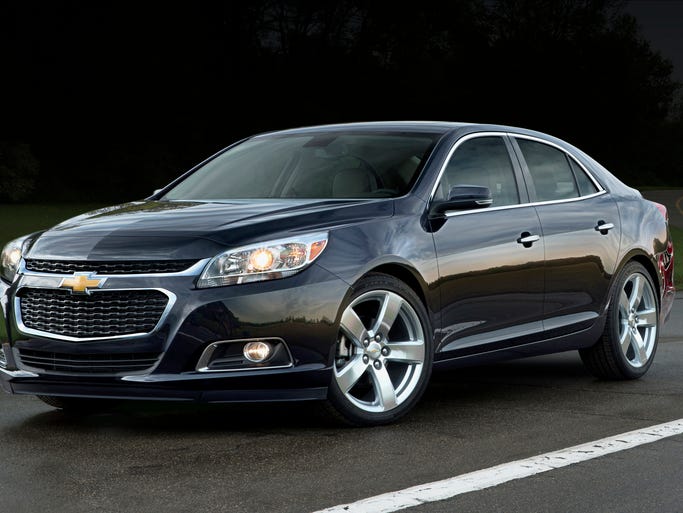
20) In 20th place comes the Chevrolet Malibu Parts, new to the list this month.

Here come Auto Sales ...

All day on Tuesday, the world's biggest automakers will roll out their sales results for May.


Economists expect that auto sales rebounded in May to a seasonally adjusted annualized rate of 17.2 million vehicles after April's results disappointed.
In April, sales totaled a pace of 16.5 million.

In a note to clients ahead of the report, economists at Bank of America Merrill Lynch wrote, "After flat-lining for several months, we expect auto sales to have jumped to a solid 17.2mn saar pace in May."

The firm added: "With winter doldrums well in the rearview mirror, and with consumers enjoying several months of relatively low gasoline prices, we see an improvement in vehicle demand. 17.2mn is slightly above the highs of this year (registered in March), and if gasoline prices remain subdued and consumer confidence continues to improve, we see further upside to vehicle sales ahead."

Source: Businessinsider

Wednesday, 3 June 2015

Toyota looks to Ford's SmartDeviceLink to defend dash from Apple, Google

(Bloomberg) -- Toyota Motor Corp. and Ford Motor Co. may join forces to maintain control of their vehicle dashboards as Apple Inc. and Google Inc. introduce technology targeting the car industry.


Toyota, the world’s largest automaker, will explore working with Ford on integrating smartphone applications into future vehicles, the two companies said in e-mailed statements. Ford says its SmartDeviceLink technology allows companies such as Pandora Inc. to develop apps only once for use in multiple infotainment systems, while also allowing carmakers to control the design of their dashboards.
• Ford statement: Click here
• Toyota statement: Click here

By exploring a collaboration, Toyota and Ford are showing caution against letting Apple’s CarPlay and Google’s Android Auto dictate the future of in-car entertainment and navigation systems. Dashboards have become a battleground for carmakers as they seek to attract younger customers who demand connectivity features in their rides.

“They’ve put a lot of blood, sweat and tears and a lot of r&d resources into developing their own systems, so how can you then say, ‘OK, Google and Apple, come in and take over?’” said Mark Boyadjis, an analyst for IHS Automotive. “The car companies need to be very shrewd with how they integrate things like CarPlay and Android Auto.”

Automakers may sell about 31 million vehicles with CarPlay and 37 million with Android Auto by 2020, according to IHS forecasts. At those growth rates, these systems would be available in vehicles about as quickly as Bluetooth and auxiliary-cord inputs have over the last 10 years, Boyadjis said.

While Apple lists Toyota and Ford as partners that will offer models with CarPlay on its website, Toyota is absent from Google’s lineup for Android Auto.
Last week, Hyundai Motor Co. said it would become the first carmaker with Android Auto available in U.S. models, starting with its 2015 Sonata sedan. General Motors also said its redesigned Cruze compact will be the first of most 2016 Chevrolets to offer both Android Auto and CarPlay.

Source: Autonews

BMW's record May trims gap with Mercedes for U.S. luxury crown

DETROIT (Bloomberg) -- BMW sold a May record of 31,003 cars and SUVs in the U.S., narrowing Mercedes-Benz's luxury-vehicle lead as both brands benefit from expanding lineups.


BMW Group's namesake brand reported a 4.7 percent increase, led by gains of 18 percent for 3- and 4-series cars and 34 percent for the X5 SUV. Daimler’s Mercedes said sales jumped 11 percent from a year earlier to 29,583, also a record for the month.

The May results left Mercedes with a lead of 479 vehicles over BMW for the year.

Luxury automakers, which sell premium models that can cost more than $100,000, have found additional success in the U.S. with lower-price models. With cars such as Mercedes’s $31,500 CLA and BMW’s $32,950 3 series, they are broadening their appeal with younger customers they hope to keep for life.
“The expansion down-market has revolutionized the access to luxury brands,” Eric Lyman, a TrueCar Inc. analyst, said in an interview. “And with the aggressive lease deals, you can get into a luxury brand for less than you’ve ever been able to.”

This year through May, sales rose 9.4 percent to 136,926 for Mercedes and 7.3 percent to 136,447 for the BMW brand. The results exclude Daimler’s Sprinter vans and Smart cars and BMW’s Mini brand, which aren’t luxury vehicles.
Toyota Motor Corp.'s Lexus reported that May sales rose 10 percent to 29,671, led by the new NX SUV and the larger RX. For the year, Lexus deliveries have climbed 15 percent to 132,727.

Sales for Audi gained 11 percent to 18,428, the brand’s second-best month since entering the U.S. in 1970. The increases included 55 percent for the entry-level A3 and 12 percent for the Q5 SUV. For the year, Audi is up 12 percent to 75,353.

Source: Autonews

Monday, 1 June 2015

Spring Car Care Tips

April National Car Care Month - stop by Kenny's Lakes Area Auto Experts for an inspection
Spring has officially arrived in Walled Lake! But that doesn’t mean your vehicle is in the clear – changing seasons means it’s time for maintenance to make sure your vehicle will keep you safely and comfortable on the road through the spring and summer.

April is National Car Care Month, which makes it the perfect time to check the important systems in your vehicle. 7 Action News stopped by Kenny’s Lakes Area Auto Experts to talk with Kenny about things viewers of WXYZ Detroit should know as we head into this spring season, including fluids, timing belts, and more. Watch the video here.
As we kick off National Car Care Month, here are 8 things you should check on your vehicle to prepare for spring:

1. Antifreeze
Many people think of antifreeze only in cold months. But antifreeze (also known as coolant) also cools the engine in the heat of the spring and summer. This fluid is responsible for keeping your vehicle running at a consistent temperature. Don’t ignore it just because it has “freeze” in its name – antifreeze will become even more important as the weather warms up to prevent overheating engines and vehicle breakdowns.
Have your auto air conditioning inspected and services to stay cool all spring and summer 


2. A/C temperature and check
As the days get warmer in Michigan, we’ve already noticed the need for air conditioning to stay cool and comfortable driving on the roads. But not using this system in the winter months means you’ll likely notice latent problems as the weather gets warm. Stop by our shop and our ASE Certified technicians will perform an inspection, checking the temperature and components in your vehicle’s A/C system. (Be leary of DIY Refrigerant flushes – leave this to the professionals to avoid damaging your vehicle).

3. Tire pressure
Warming temperatures affect tire pressure – a 10 degree increase can drop pressure by 1-2 psi. Low tire pressure means you’ll get fewer miles to each gallon and means your tires will wear faster than if they were properly inflated. Every time you stop at a gas station, check your tire pressure. Many stations even have air available for a top off on-the-go, or stop by our shop and we’ll fill your tires to the right pressure to get you back on the road!

4. Potholes
Road damage, from cracks to potholes to bumps in the road, can wreak havoc on your vehicle in the spring. Even a small pothole can damage your alignment and suspension. If your daily commute involves risks like these, stop by for an inspection early to prevent worsening the damage and premature tire wear.

5. Fluids
Spring is the perfect time to take care of routine maintenance before warm weather puts a toll on your vehicle. From your oil to coolant, transmission fluid, and brake fluid, winter can be harder on your vehicle. Small problems may become more noticeable as we head into the spring season. Have your fluids checked and replace as needed. When you bring your vehicle in for an inspection, our ASE certified technicians will check all of your fluids and recommend maintenance as needed – we’ll even top off your windshield washer fluid to keep you safe through spring showers!

6. Wash exterior
Winter roads can leave your vehicle covered in dirt and salt. Not only is this unsightly, it can actually harm your exterior. A thorough wash can remove chloride, salt, and chemicals from the exterior of your car. Be sure you clean the underside too! This is where the most dirt and chemicals can collect and post the biggest threat. As an extra bonus, take pride in your vehicle again when it is clean and looks like new!
Check your tire tread with a penny to know when it's time for new tires from Kenny's Lakes Area Auto Experts 

7. Tire tread
Take a look at the tread on your tires using the penny test, looking carefully for any uneven patches or bald spots. While it might not seem as important in the spring, this time of year is the rainiest and wettest season. Good traction is important for driving on wet roads, especially unexpected or panic stops. If you’re not sure how to check your tires, stop by our shop and our technicians will help!

8. Spring Inspection
The best thing you can do for your vehicle this spring is stop by for a full inspection. When you bring your vehicle into our shop, our auto technicians can check all of the issues above, and can fix any problems we find right away. Most issues, including alignment, coolant, and fluid flushes, can be performed right away to get your vehicle back on the road quickly and safely.
Don’t be fooled thinking that just because it’s spring your car is now in the clear – changing seasons mean changing conditions for your vehicle. Check the elements above in your vehicle, or stop by our shop for a full inspection. Wishing you a fun and safe National Car Care Month!

Source: Lakesareaauto